Where is Machu Picchu Located & How to Plan Your Trip in 2026
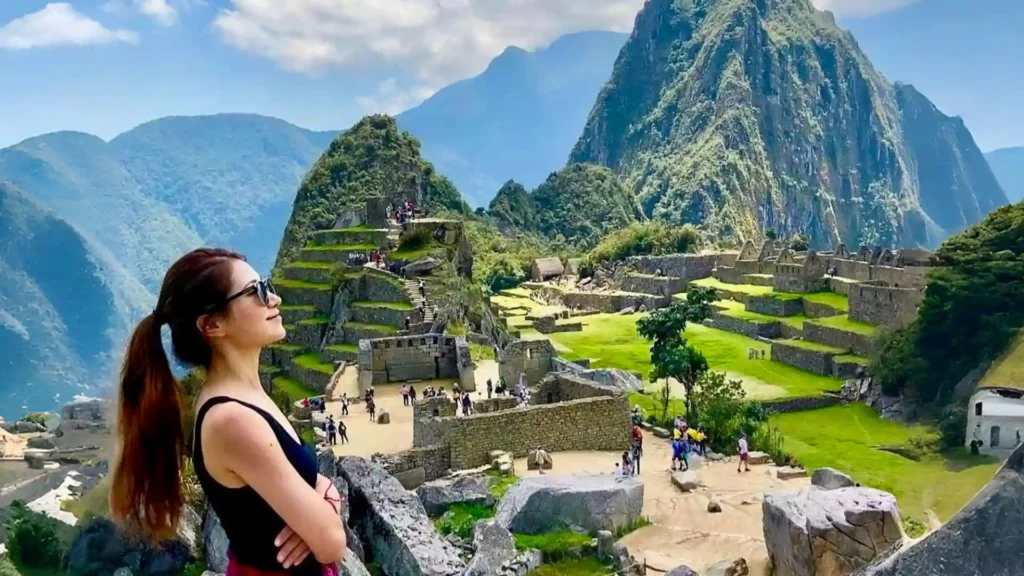
Plan a trip to Machu Picchu
Imagine saving for years to fulfill your great dream of visiting the Inca citadel and having a devastating headache from the altitude leave you bedridden in the hotel bed. Sounds terrible, right? To plan a successful trip to Machu Picchu, information is vital. Thousands of tourists start their adventure so disoriented that the first thing they search on the internet is the exact phrase “where is Machu Picchu located in which country”, because they literally have no idea about the geography of the place they are going.
The Historical Sanctuary of Machu Picchu is not a simple amusement park; It is an immense and complex natural area that today is at the center of an intense and controversial machu picchu tourism development debate. At Llamitas Travel, we know that knowing your geographical reality, the new circuits imposed by the government and putting together an intelligent plan is absolutely vital to not throw your savings away.
Where Exactly It Is: Geography and Climate Reality
To make things completely clear and respond to that classic search that saturates the international forums of “machu picchu is located in modern day Peru”, the answer is a resounding yes: it is in the Andean region of southern Peru, specifically in the department of Cusco. But there is a huge logistical detail that you should know.
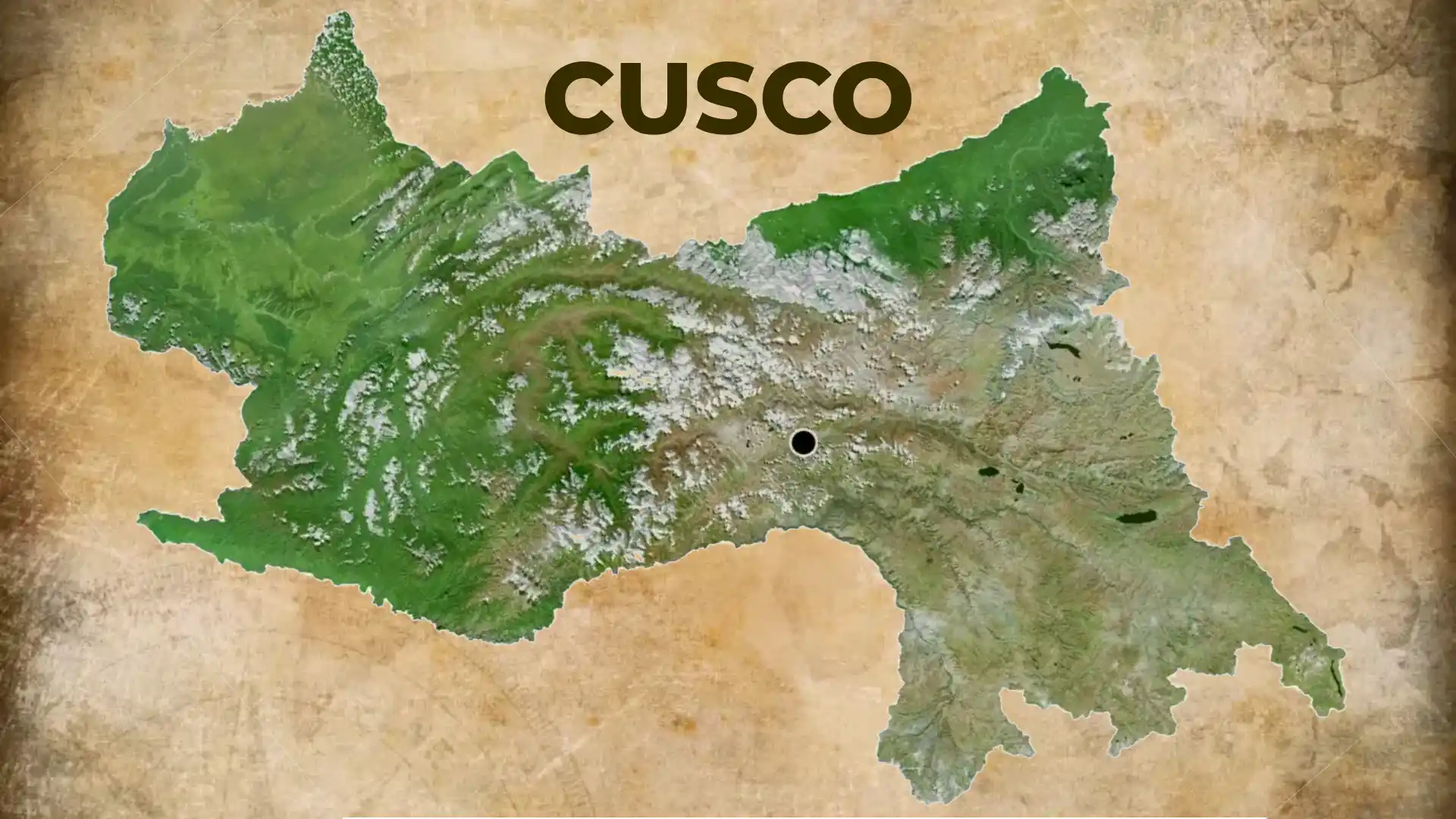
The citadel is not in the high, cold and dry area of the Andes. It is located in what the locals call “the edge of the jungle.” It is a brutal climatic mix where the dense and hot Amazon jungle suddenly collides with the immense Andean mountains. Prepare for an environment where it’s hot, humid and sweaty, and the weather can go from sunny to pouring rain in a matter of ten minutes.
6 Uncomfortable Truths Before Getting on the Plane
Highly edited Instagram photos do not show logistical reality. Here we break down what you should expect:
1. It’s Much More Than Just Old Stones
This destination is a Mixed World Heritage Site declared by UNESCO. This means that the surrounding nature (such as the elusive spectacled bear and more than 300 species of endemic orchids) is as protected as the Inca temples themselves. You will walk through a living cloud ecosystem.
2. The True Chaos of the New Circuits 2026
Everyone wants to take the same classic photo. To avoid collapse, the State imposed strictly marked one-way routes. If you didn’t buy your official ticket months in advance, you will simply be left out.
3. Magic Injected into Pop Culture
The impact of these ruins crosses generational boundaries. Check the trends and you will see massive searches for “the strokes machu picchu”. The famous New York rock band titled one of their tracks like this, demonstrating that Inca magnetism is still valid globally.
4. Conservation and Capacity Limits
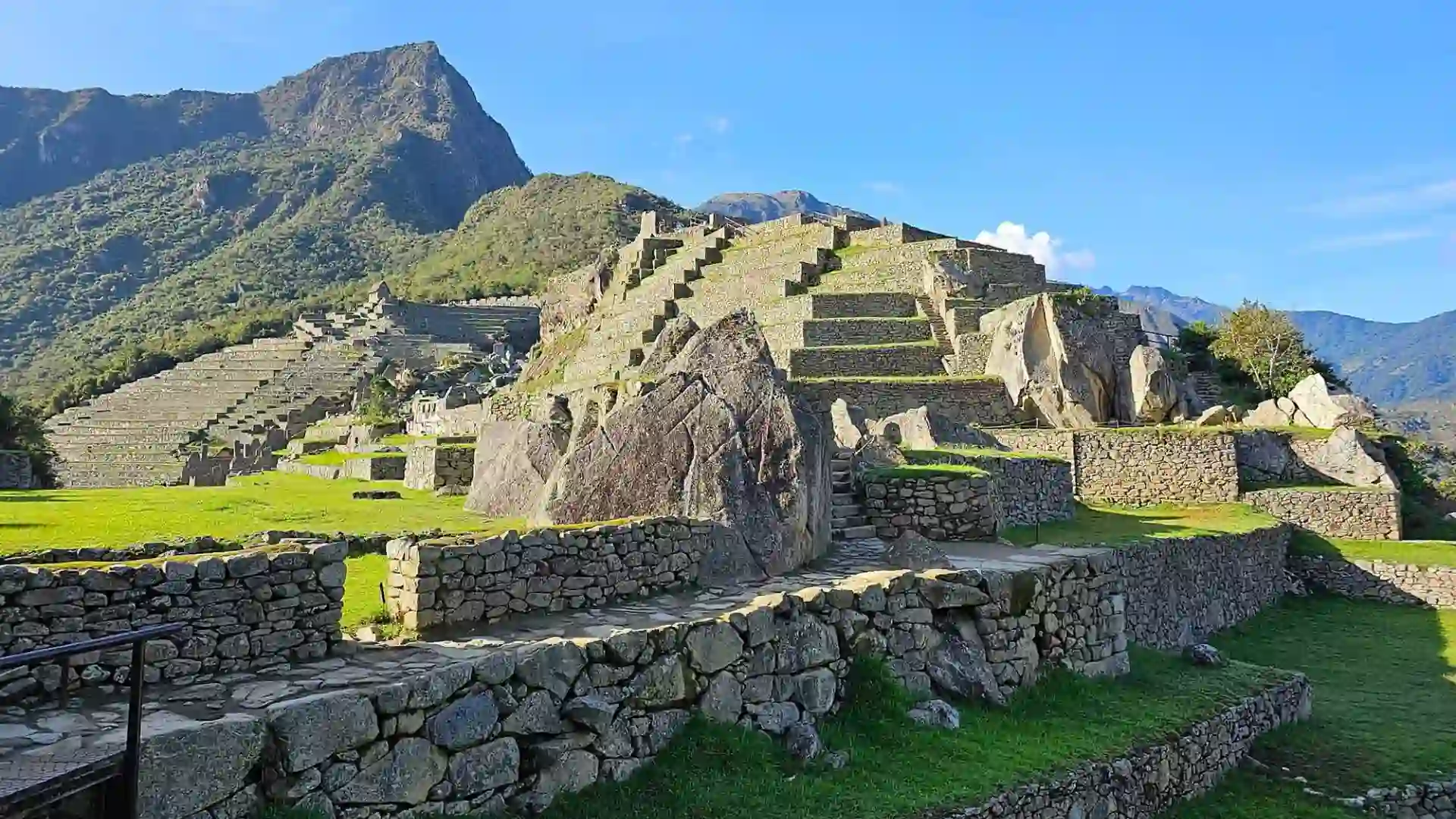
The capacity limit is not a whim. Geologists have warned that the floor of the archaeological site sinks millimeters every year due to the weight of trekking boots. It is an extremely urgent technical rescue measure so that the impressive agricultural terraces do not collapse.
5. The Rapid Transportation Deception
There is no direct path. Getting there involves taking a bus, then boarding a train with very limited availability from Ollantaytambo, and finally getting on another zigzagging bus (Consettur). Coordinating the schedules of these three transports on your own during high season is the perfect recipe for being stranded.
6. The Silent Blow of Hypoxia (Soroche)
At 3,400 meters above sea level in the city of Cusco, atmospheric pressure drops. The most common rookie mistake is to get off the plane and go for a walk right away. Your body needs a forced adaptation period to avoid intense nausea and severe muscle fatigue from mild hypoxia.
How to Plan a Bulletproof Trip
Going on this adventure in South America without a strictly organized plan is playing Russian roulette with your vacation. The master strategy is a gradual ascent. The ideal is to start by eating an excellent ceviche in Lima (at sea level), have fun in the dunes of Ica, and once your body is acclimatized, take the big leap to the immense mountain range of Cusco.

📌 A Path That Really Works
Putting together this logistical puzzle on your own can be your worst nightmare. Leave the work in the hands of the experts at Llamitas Travel.
Doubts about the 2026 capacity? Get a quote via WhatsApp no obligation!
Frequently Asked Questions (FAQ)
Where exactly is Machu Picchu and how to plan a trip to Machu Picchu? The Historical Sanctuary of Machu Picchu is located in the province of Urubamba, department of Cusco, in southern Peru. Geographically, it is located on the eastern slope of the Andes Mountains, in a transition zone towards the Amazon rainforest known as “ceja de selva”.
How to avoid altitude sickness on the trip to Cusco? The best strategy is progressive acclimatization. Start your trip on the coast (Lima or Ica) at sea level. Upon arriving in Cusco (3,400 m), rest the first day, hydrate constantly, drink coca tea and avoid heavy meals and alcohol.
How far in advance should you book tickets to Machu Picchu in 2026? Due to strict government capacity regulations and the new one-way circuits, it is mandatory to reserve tickets (especially the classic circuits and Huayna Picchu) with a minimum of 3 to 4 months in advance. anticipation.