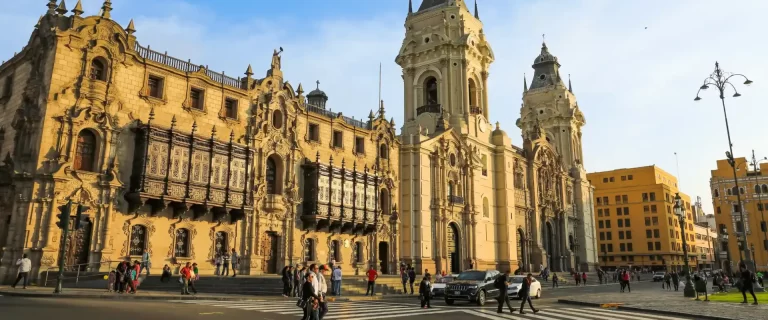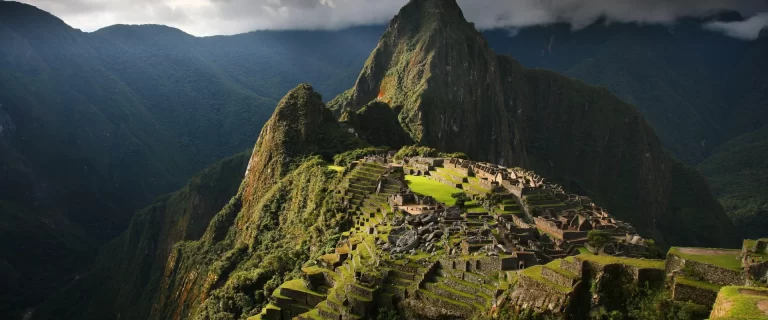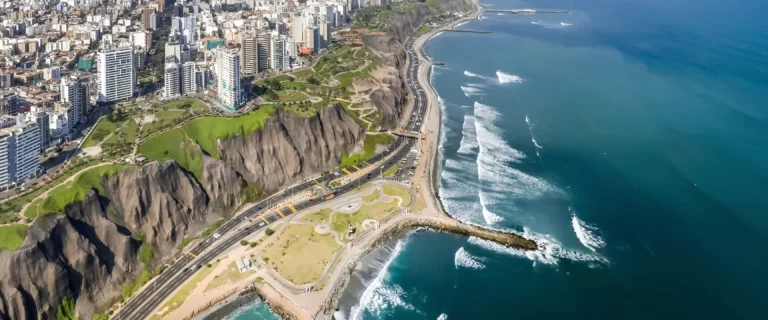
Travel with us and experience Peru like never before!
View tours →
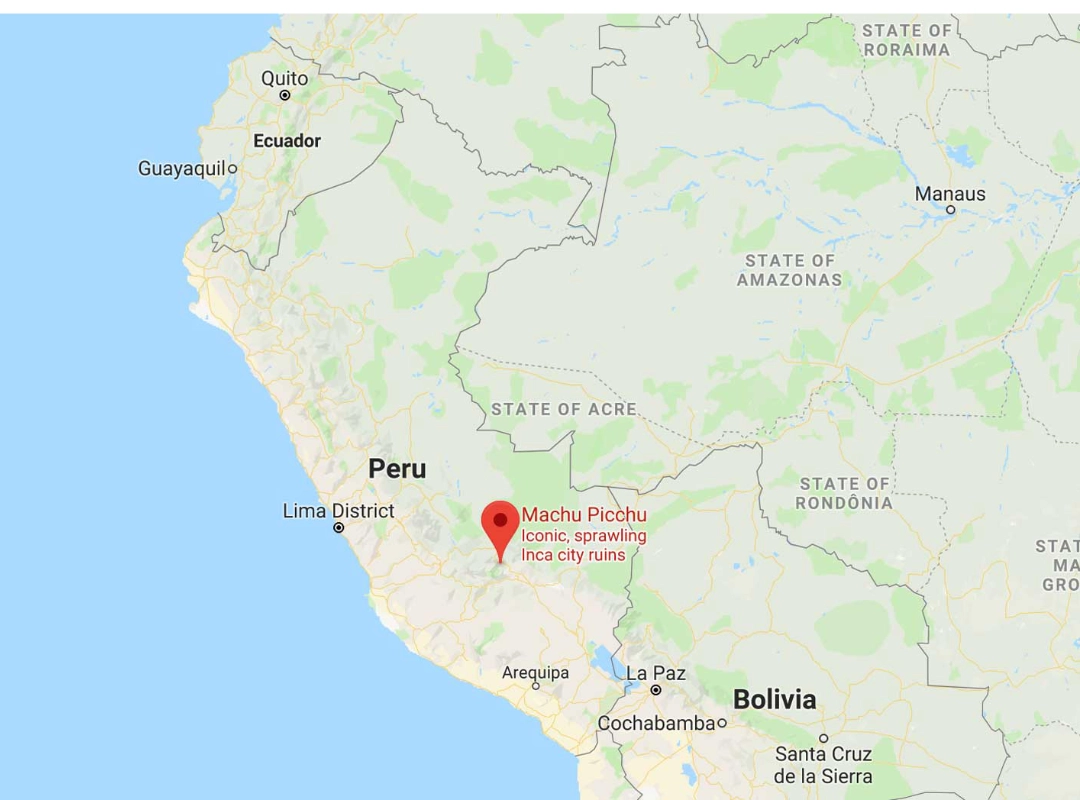
To definitively clear things up and answer that classic travel forum search stating “machu picchu is located in modern day Peru”, the answer is a resounding yes: it’s in the southern Andean region of Peru, specifically in the Cusco department. But here is a massive logistical detail almost no travel agency tells you: the citadel is not located in the high, cold, and dry area of the Andes. It is located in what locals call the ‘ceja de selva’ (eyebrow of the jungle).
What does this mean for you? It means it’s a brutal climatic mix where the dense, hot Amazon jungle abruptly crashes into the massive Andean mountains. It’s an environment where it gets hot, the humidity makes you sweat profusely, there are mosquitoes, and the weather can go from radiant sun to torrential rain in ten minutes. You need to be physically prepared to climb hundreds of slippery stone steps surrounded by Amazonian mist.
Heavily edited Instagram photos don’t show you the reality of what it takes physically and mentally to get up there. Here we break down the six uncomfortable truths you must clearly understand before packing your bags.
People forget this is a Mixed World Heritage Site declared by UNESCO. That means the surrounding nature (like the elusive spectacled bear and over 300 endemic orchid species) is just as legally protected as the Inca temples themselves. You are not visiting a closed museum; you are walking through a living, breathing cloud forest.
The entire planet wants to take the exact same classic photo. To prevent the place from physically collapsing, the State imposed harsh rules. Today there are strictly marked one-way routes, and park rangers will not let you turn back. If you didn’t buy your official ticket months in advance, you will simply be left crying at the entrance gate.
The impact of these ruins crosses generational borders. Check the trends and you’ll see massive searches for the strokes machu picchu. The famous New York rockers named one of their best tracks after it, proving the Inca magnetism is alive.
Geologists have warned us: the ground of the archaeological site yields millimetrically every year due to the weight of thousands of trekking boots. The capacity limit is not a government whim to annoy tourists; it is a technical rescue measure of extreme urgency so the impressive agricultural terraces don’t collapse into the cliffs.
There is no highway that drops you at the door. Getting there involves taking a bus, then boarding a train with very limited availability from Ollantaytambo, and finally climbing in another zigzagging bus up the mountain. Coordinating the schedules of those three transports on your own, in high season, is the perfect recipe for missing the train and getting stranded.
At 11,152 feet high in Cusco, atmospheric pressure drops and your lungs receive less oxygen (hypoxia). The most common rookie mistake is getting off the plane and walking around immediately. Your body requires a mandatory adaptation period. Ignoring this basic rule guarantees intense nausea, dizziness, and severe muscle fatigue.
Jumping blindly into this South American adventure without a strictly organized plan is playing Russian roulette with your precious vacation. Smart logistics and medical experts point out that you must demand a gradual ascent from your body. Ideally, start by eating the best ceviche in the world in Lima (at sea level), then have fun sliding down the desert dunes in Ica, and once your body is acclimatized, make the big jump to the massive Cusco mountain range.
Following this staggered route, your body adjusts calmly, you don’t suffer the brutal lack of oxygen, and you prevent your bank account from crying over unforeseen medical expenses in Andean clinics. The key to not losing your mind over tickets, train schedules, and changing regulations is to leave the dirty work to the experts who live and breathe the local logistics every single day.
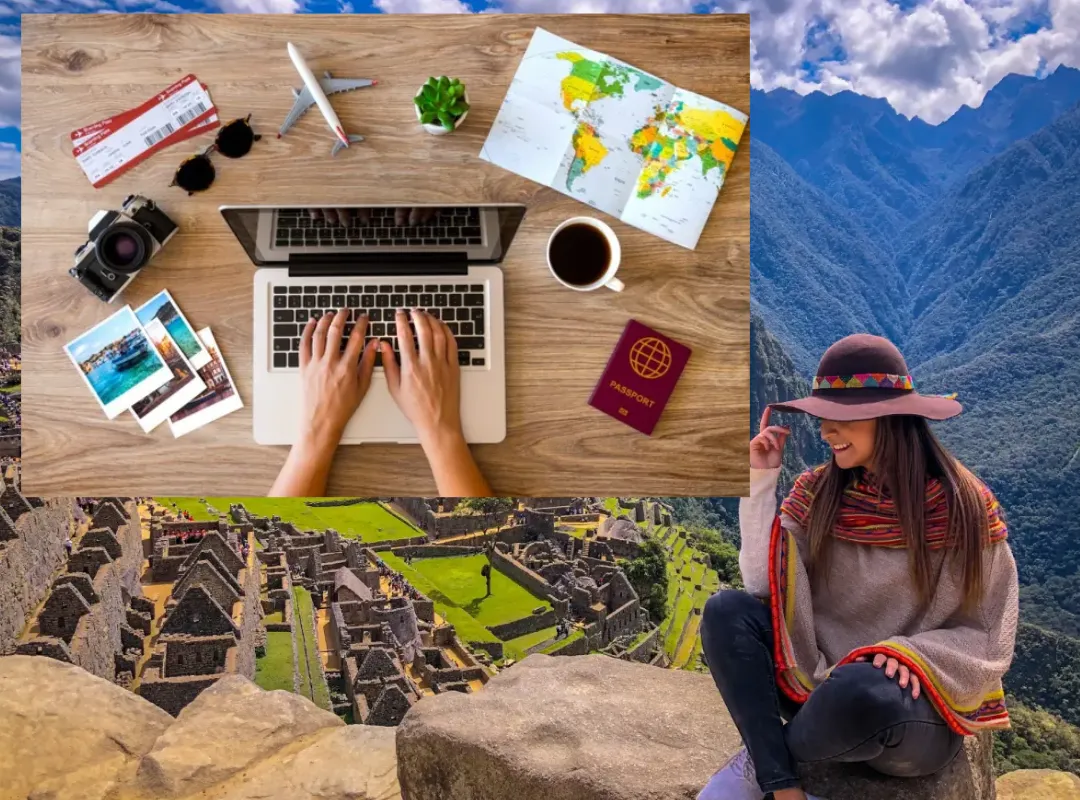
Putting together this puzzle of schedules and entrances on your own can be the worst nightmare of your vacation. If you prefer to play it safe and not lose your money, check out how a strategically built 7-day trip works, where you are guided through Lima, Ica, and Cusco without begging for a train ticket or a last-minute entrance.